







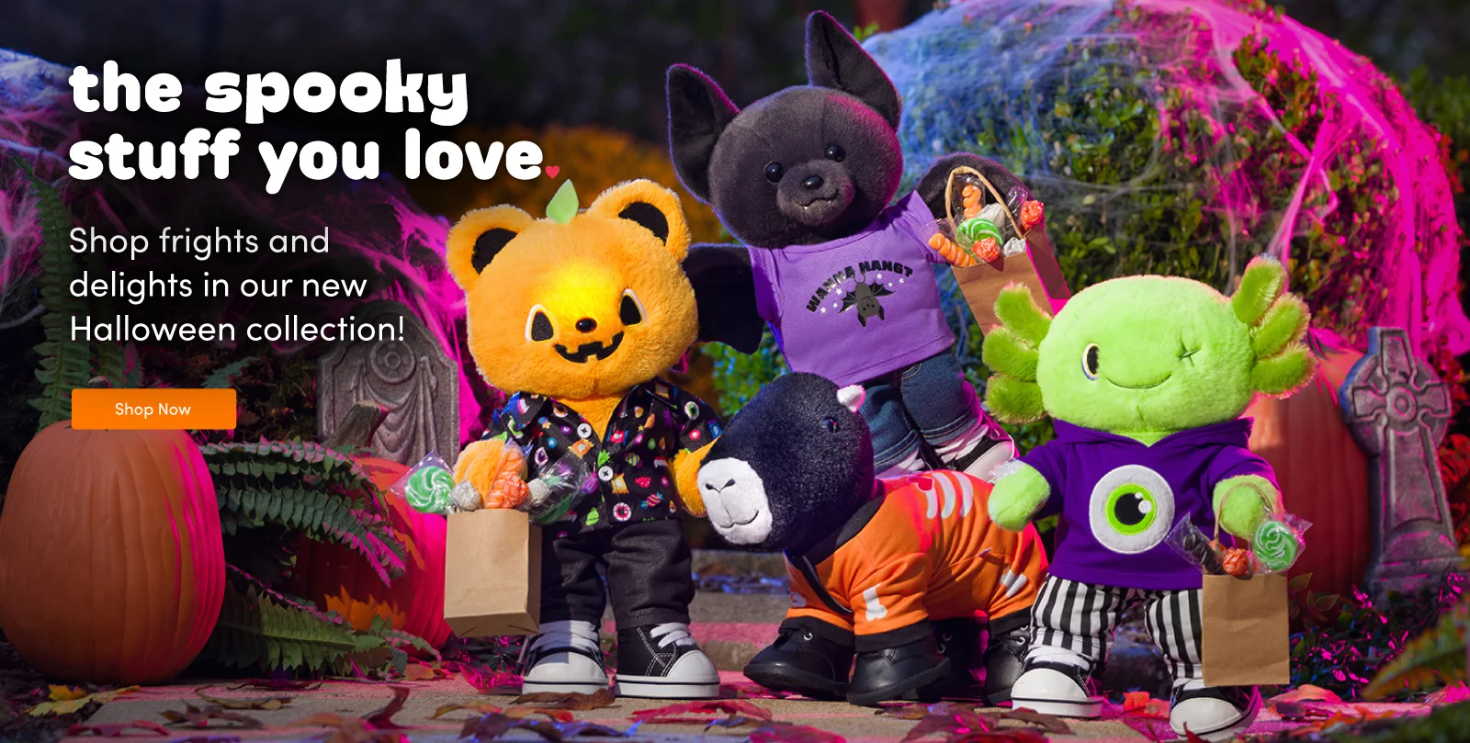
The Stuff We Love
Sale!


Characters & Collections-LIVE ACTION MOVIES & TV-Sonic The Hedgehog
Original price was: $38.00.$11.40Current price is: $11.40.
Sale!


Characters & Collections-LIVE ACTION MOVIES & TV-Sonic The Hedgehog
Original price was: $63.50.$19.05Current price is: $19.05.
Sale!
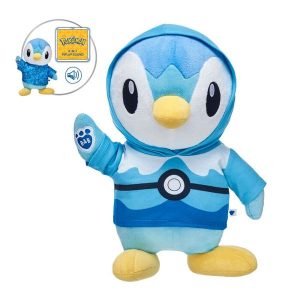
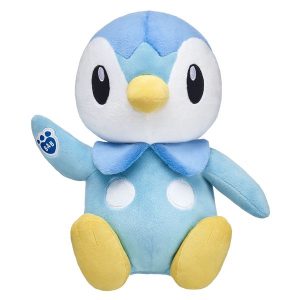
New Arrivals
Original price was: $73.00.$21.90Current price is: $21.90.
Sale!
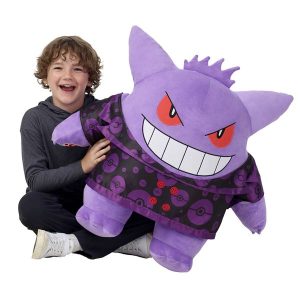
Characters & Collections
Original price was: $149.00.$44.70Current price is: $44.70.
Fan Favorites


Halloween Gifting




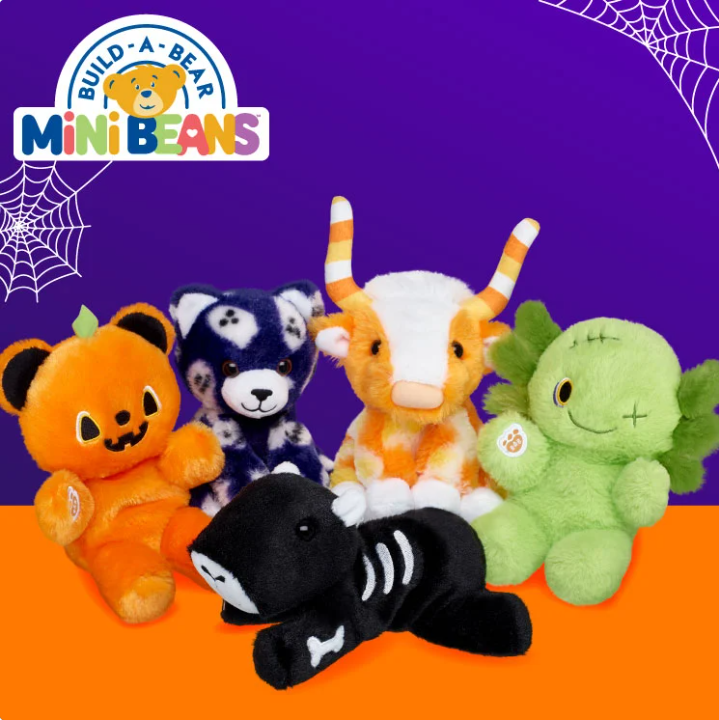

The Enduring Psychology of Soft Companions: More Than Just Playthings.
The soft toy, in its countless forms—from a familiar bear to an imagined creature—occupies a unique and universally cherished position in the human experience. Far from being mere childhood artifacts destined for attic storage, these plush companions serve as profound psychological anchors, facilitating emotional development, providing comfort across the lifespan, and reflecting an innate human need for tactile and emotional security. The depth of this attachment is a testament to the object’s power, transforming simple fabric and stuffing into a powerful symbol of safety, unconditional love, and the bridge between the self and the wider world.
The foundational role of a soft companion is rooted in the concept of the transitional object, a psychological term for any material possession to which an infant or young child develops a special attachment. This object becomes a vital bridge, aiding the child in navigating the critical, early developmental stage of moving from complete dependence on a primary caregiver toward greater independence. When the primary figure of security is absent, the soft toy steps in, offering a familiar smell, texture, and presence. It acts as a surrogate for the caregiver’s warmth, allowing the child to practice self-soothing and manage the inevitable anxiety that comes with separation. The object is a representation of ‘not-me’ that is simultaneously ‘me’—it is the first non-parental possession the child imbues with deep personal meaning. This process is crucial; by controlling the transitional object—cuddling it, biting it, carrying it everywhere—the child experiences a sense of mastery in a world where they are otherwise powerless. This is the genesis of an emotional resilience that will serve them throughout their lives.
Beyond this transitional phase, the soft toy remains an invaluable tool for cognitive and emotional development through the mechanism of imaginative play. When a child engages with a soft companion, they are effectively running a sophisticated, low-stakes simulation of the real world. The toy becomes a listener, a friend, a patient, or a student—a blank canvas onto which the child can project their thoughts, fears, and developing understanding of social dynamics. This role-playing is vital for practicing empathy. By comforting a “sad” plush friend, the child is rehearsing nurturing behaviors and learning to recognize and respond to emotional cues, skills that directly translate to healthier human interactions. Moreover, this type of play is a critical exercise in verbal and narrative development. The conversations a child has with their plush companion are not only a way to process the day’s events but are also a fundamental practice in constructing coherent narratives, expanding vocabulary, and refining communication skills. The soft companion becomes a silent, non-judgmental partner in the complex work of growing up, providing a safe space to explore difficult emotions without fear of criticism or consequence.
The comforting effect of soft toys is not solely psychological; it has a significant neurobiological component. The tactile sensation of hugging, stroking, or simply holding a soft, weighted object can activate the parasympathetic nervous system, which is responsible for the body’s “rest and digest” state. This activation helps to regulate the release of cortisol, the primary stress hormone. The simple act of embracing a soft companion can therefore lower heart rate, reduce blood pressure, and create a powerful sense of calm and well-being. This is why these objects are frequently incorporated into bedtime routines. The familiar texture and presence serve as a reliable cue to the nervous system that the environment is safe, easing the transition from wakefulness to sleep and mitigating nighttime anxieties. For those facing significant stress or emotional upheaval, the soft toy functions as a tactile anchor, grounding the individual in the present and offering immediate, non-verbal reassurance.
Perhaps one of the most remarkable aspects of the soft companion’s psychology is its enduring relevance into adulthood. While the overt carrying of a plush friend may diminish, the underlying psychological need for the comfort they provide does not vanish. A significant number of adults maintain their childhood companions, treasuring them as sentimental keepsakes, and some continue to use them as sleep aids or stress regulators. This retention is a healthy, not immature, psychological strategy. In an adult context, the soft toy evolves into a powerful symbol of nostalgia, a physical link to a simpler, more secure past. When faced with the pressures of adult life—career stress, personal loss, or significant life changes—the familiar companion offers a stable, unchanging presence. It functions as a form of self-soothing, a silent reminder that one has survived past challenges. For adults dealing with anxiety, trauma, or certain mental health conditions, a soft companion can be a recommended therapeutic tool, offering an immediate, accessible form of comfort and helping to facilitate emotional expression in a clinical setting. The object offers unconditional acceptance, a rare commodity in the often-judgmental adult world, making it a powerful element of one’s personal support structure. The continued attachment speaks to the fact that the need for secure attachment and comfort is a universal human constant, not just a passing phase of childhood. The soft companion, therefore, transcends its material form to become a psychological tool for navigating the complexities of the human condition across all stages of life. Its quiet presence is a testament to the power of texture, memory, and simple, unconditional softness.